

The PELVITRACK Scientific and Innovation Advisory Board (SIAB) comprises of esteemed scientists and distinguished industrial/corporate experts. The SIAB has been established to provide feedback and expert advice on all aspects of the project.
SIAB Members
-
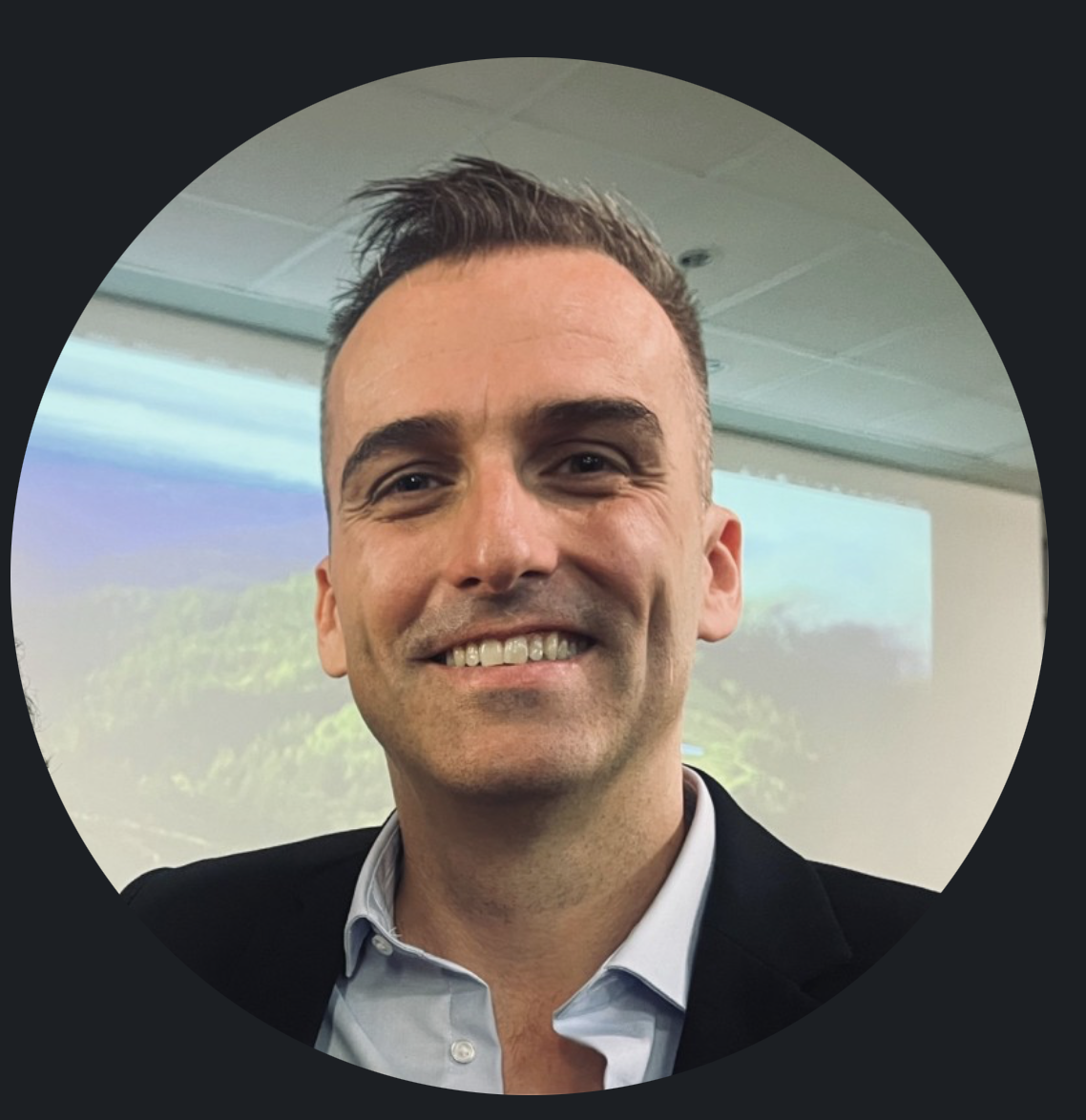
Professeur des Universités-Praticien Hospitalier. CHU Besançon. Université Marie et Louis Pasteur
-
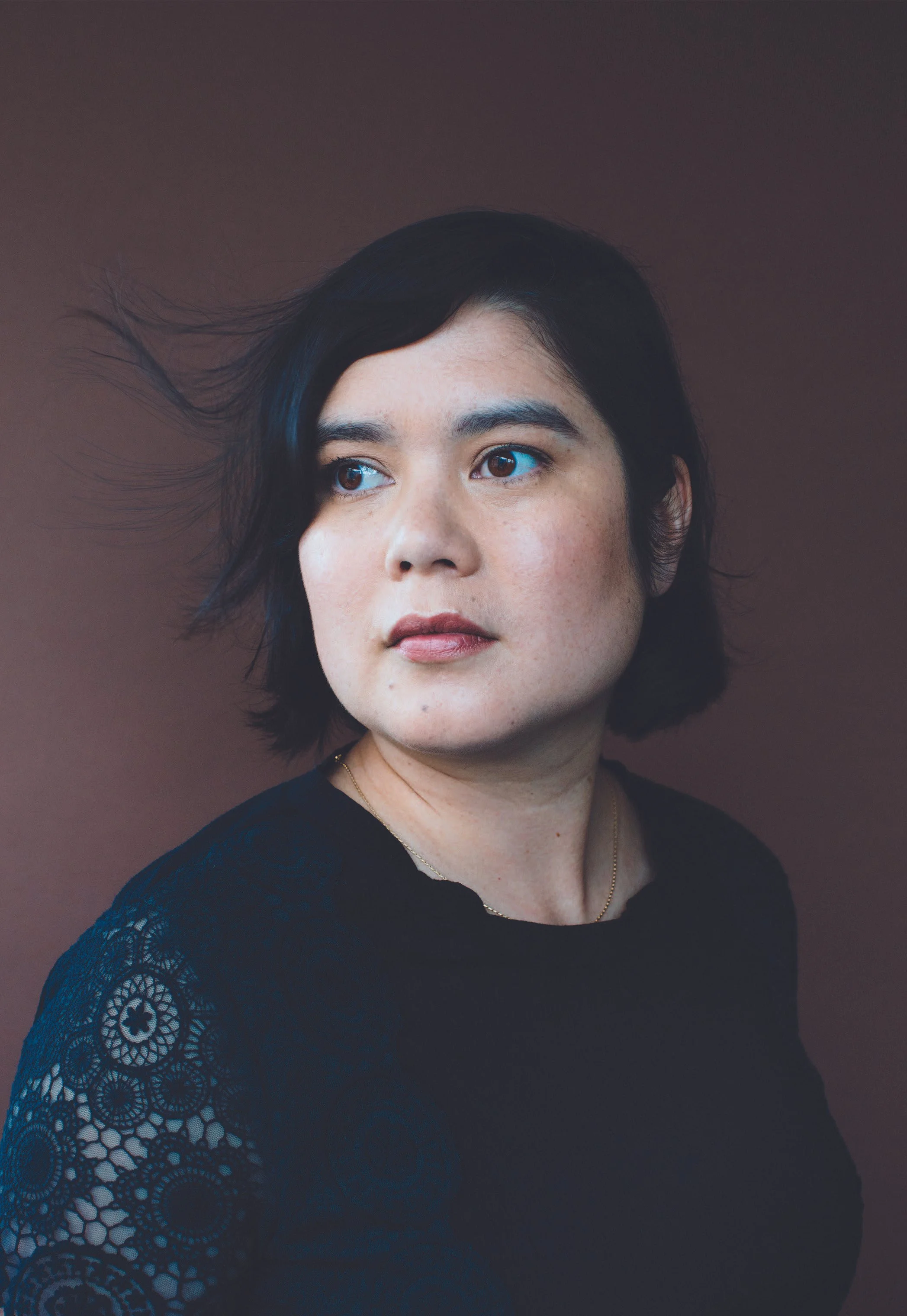
Professor of mechanical engineering in the School of Engineering and Applied Science at Columbia University in the City of New York.
Kristin runs a soft tissue biomechanics laboratory on the campus of Columbia University Irving Medical Center. Kristin’s work focuses on the biomechanics of pregnancy and the female reproductive system. Hers is one of only a few engineering teams in the world creating computational digital twins of pregnancy to uncover structural mechanisms of preterm birth and to design functional biomedical devices in pregnancy. To understand preterm birth biological pathways, her work has also revealed how the cervix remodels itself from a mechanical barrier to protect the fetus to a compliant passageway to allow for safe delivery. She received her mechanical engineering doctorate and master’s degree from MIT and her bachelor’s degree from the University of Michigan. In 2017, she won the American Society of Mechanical Engineers' Y.C. Fung Young Investigators Award; in 2019, she won the Presidential Early Career Award in Science and Engineering (PECASE) from the White House for my pregnancy biomechanics work; and in 2025, she was inducted into the American Institute of Medical and Biological Engineering College of Fellows.
-
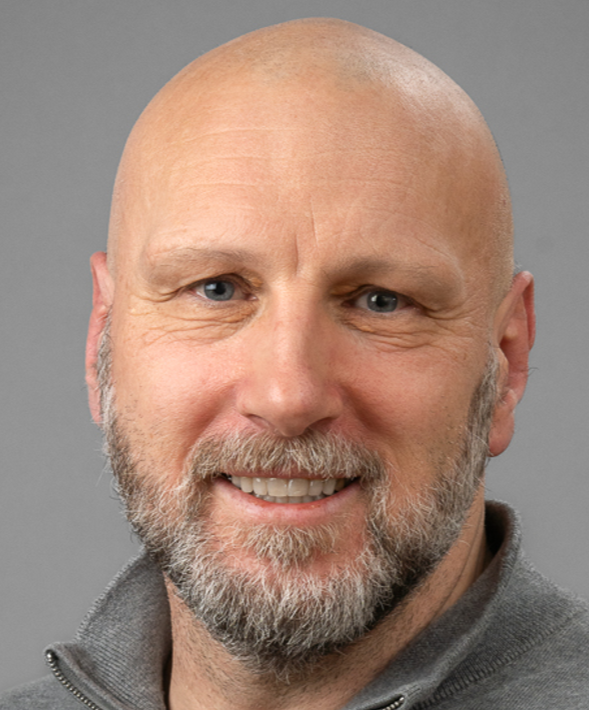
T.Christian Gasser is Professor of Biomechanics at KTH Royal Institute of Technology, Stockholm. He holds a Master of Mechanical Engineering (1997) and a PhD in Civil Engineering (2001), both from Graz University of Technology, Austria. In 2008 Gasser accomplished his Habilitation in Solid Mechanics/Biomechanics at KTH. The development and application of advanced numerical techniques to solve realistic (bio)engineering and clinical problems, is Gasser’s main research objective. Constitutive models for anisotropic finite strain materials have been implemented in all major Finite Element simulation packages, such as ANSYS, ABAQUS, COMSOL, etc, and Gasser’s translational biomechanics research led to A4clinicsRE, commercial biomechanical-based simulation software for clinical decision making. He wrote and co-edited one book each, co-authored two PCT patents, 130+ peer-reviewed journal publications and 15+ book chapters. So far his work led to more than 20k Google Scholar citations and resulted in an h-index of 59. He was listed as KTH’s most influential researcher in Biomedical Engineering, ranked amongst top 2% worldwide in this field, and in 2022 he was awarded a Humboldt Research Award from Germany. He is Associate Editor of Int. J. for Num. Meth. in Biomed. Engrg, in the editorial board of Mechanics of Soft Materials and was a EMMCC member. He gave the 2024 Odqvist lecturer, a distinction awarded by the Swedish national mechanics committee. He was Principal founder of ARTEC Diagnosis AB as well as VASCOPS GmbH and serves as a legal expert for skiing accident reconstruction at Oberlandesgericht, Graz, Austria.
-
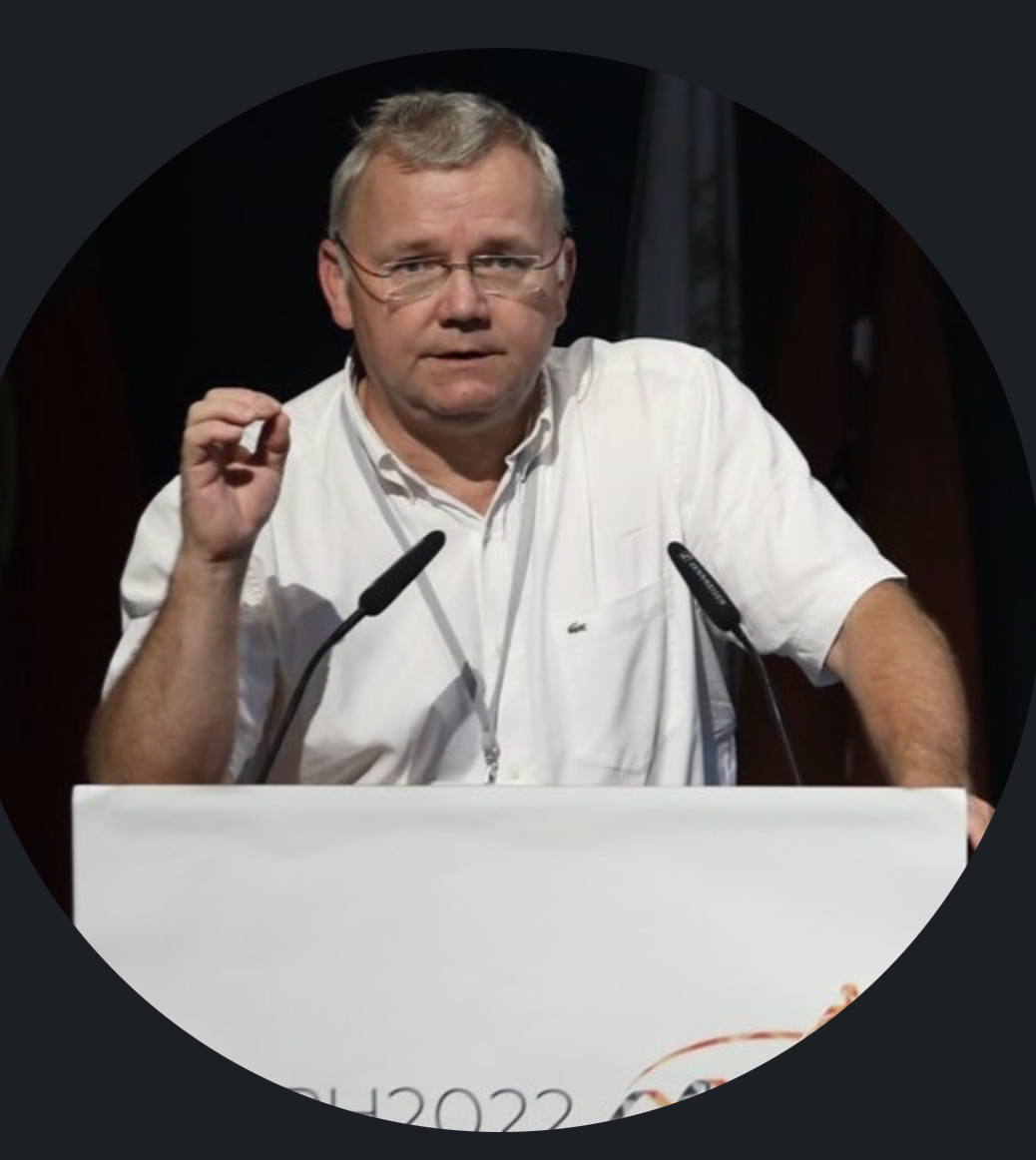
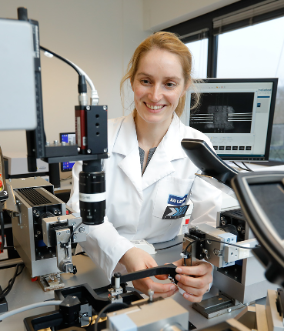
Nele Famaey has a soft spot for biomedical engineering. With her Soft Tissue Biomechanics Group, she aims to unravel the biomechanics of biological tissues, with a focus on arterial tissue. Specifically, she wants to understand and predict damage, growth and remodeling of these tissues, to support clinical decision making and medical device design. This is done through in silico medicine, i.e. computer modeling of a virtual twin of the clinical situation. To create reliable virtual twins, she combines experimental mechanical characterization with multi-spatial & multi-temporal computational modelling.
She received the MSc and PhD degree in mechanical engineering at KU Leuven in 2006 and 2012, respectively. During her PhD and postdoc, she made extended research exchanges at Stanford University, Graz University of Technology and Ecole Des Mines de Saint Etienne. Currently, she is associate professor at the Department of Mechanical Engineering at KU Leuven. She also holds a visiting professorship at the University of Ghent in the BioMMeda group. She teaches various biomechanics- and mechanics-related courses at both universities. In 2017, she launched FIBEr, a KU Leuven core facility for biomechanical experimentation, which bundles infrastructure and expertise on this matter and offers its services to academia as well as industry. As chair of the task force on materials characterization of the Avicenna Alliance and the VPH institute, she is also launched an international initiative, C4Bio, in which the biomechanics community is searching for consensus on mechanical characterization of biological tissues